In the complex world of healthcare infrastructure, hospital buildings stand as vital beacons of public service. One of the critical, yet often overlooked, aspects of these buildings is their roofing system. The features of hospital roofs are essential not just for shelter but for the comprehensive protection they offer. Whether you're investing in new roofing services in Cleveland and its surrounding counties or maintaining an existing structure, understanding these features can make a significant difference in efficiency, safety, and longevity.
A hospital is more than just a structure; it is a sanctuary of healing where every design element plays a crucial role in supporting its mission. Roofing systems in hospitals aren't designed randomly. They are carefully crafted to ensure functionality, sustainability, and, above all, the safety of the patients, staff, and visitors. This blog will explore common features of hospital roofs, underscoring why these elements are indispensable to the effective operation of medical facilities. We’ll delve into aspects like environmental control, energy efficiency, and emergency management, which are all pivotal for a hospital's roof.
Environmental Control
One of the primary considerations in the design of hospital roofing systems is environmental control. Hospitals are natural habitats for various forms of contamination, making infection control a top priority. Roofs play a critical role in maintaining sterile environments within facilities. They are often equipped with advanced air filtration systems and thermal insulation to regulate temperature and ensure clean air circulation.
The materials used for these roofs are specially selected to minimize microbial growth and withstand routine sanitation. Roofing systems need to respond to the seasonal climatic changes experienced in places like Cleveland, Ohio. This makes material durability and adaptability crucial, providing a stable internal climate to protect sensitive medical equipment and the patients these institutions serve.
Energy Efficiency
Energy efficiency is another central pillar in the architecture of hospital roofing systems. Consider the operational energy demands of running a hospital: heating, cooling, and powering life-saving equipment pose significant challenges to energy conservation. High-performance hospital roofs are designed to accommodate solar panels or green roofing systems that can reduce energy consumption.
Incorporating reflective surfaces and advanced insulation not only minimizes the need for artificial heating and cooling but also aligns with sustainable building practices. These features work together to decrease a hospital’s carbon footprint, lowering operational costs, which is a significant benefit in managing hospital finances. Furthermore, the energy savings derived from an efficient roofing system can be redirected towards enhancing patient care services.
Emergency Management Features
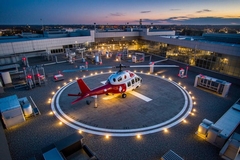
In a hospital setting, emergency preparedness isn't just a precaution; it's a necessity. Roofing systems are integral to disaster response plans. Features of hospital roofs in Cleveland, OH, often include emergency access points for services such as medevac helicopters and backup power sources. These specialized access points must be strategically placed and structurally robust to support rapid responses in emergencies.
Weather-related challenges are another concern. Hospital roofs are built to withstand strong winds, heavy snow, and rainfall, common in Northeast Ohio. Additionally, roofing systems must include effective drainage solutions to prevent water damage, preserving the integrity of the structure and the safety of its occupants. Thus, proper roof inspection & repair services in Cleveland are crucial to ensure that these systems remain operational and effective.
Safety and Compliance
Safety and regulatory compliance are paramount in healthcare facilities. Hospital roofing systems must adhere strictly to building codes and regulations to ensure the safety of all who enter the premises. This involves using fire-retardant materials, ensuring proper load-bearing capacity, and installing safety barriers. Hospitals must also comply with specific guidelines related to roofing and construction set by healthcare accreditation organizations.
Any roofing upgrade or repair needs to consider these regulations, emphasizing the importance of regular maintenance and inspection. Ensuring compliance not only safeguards the institution legally but also enhances the trust and confidence of patients and staff.
Implementing Advanced Technology
The integration of advanced technology into roofing systems is a growing trend in hospital design. Smart roofs equipped with sensors can monitor environmental conditions, among other variables, offering real-time data that aids in preventive maintenance and energy management. These technological advancements help in optimizing the performance and lifespan of the roofing system while reducing downtime and maintenance costs.
Innovation in materials science has also brought about roofing options that can change color or transparency to adjust light and heat transmission, thus contributing to the overall energy management strategy of a hospital. Incorporating cutting-edge technology into hospital roofs not only improves operational efficiency but also enhances the overall patient experience by maintaining optimal ambient conditions.
Choosing the Right Roofing Services
Selecting a roofing provider experienced in hospital-specific solutions is essential. Powers Roofing & Exteriors, offering highly specialized roofing services, ensures that hospital roofing systems are functional and reliable. By prioritizing safety, compliance, and innovation, they contribute to the seamless operation of healthcare facilities. Efficient and appropriately coordinated roof installation in Chardon, OH, and other locations can significantly impact the operational resilience of a hospital.
The Importance of Regular Maintenance
While cutting-edge technology and advanced design are critical, regular roof maintenance remains indispensable in prolonging the life of a hospital roof. Regular inspections can preemptively identify potential issues, allowing for prompt repairs that can prevent larger, more costly problems. Seasonal changes necessitate vigilant upkeep through services such as roof inspection & repair.
Integrating Sustainable Practices
Sustainability is at the forefront of modern construction. Hospital roofs can incorporate sustainable materials and practices, which contribute to environmental stewardship and operational cost savings. Whether through green roofs that support biodiversity or systems designed for efficient rainwater harvesting, sustainable practices can be effectively integrated into hospital roofing systems, supporting the broader mission of sustainability in healthcare operations.
Enhancing Patient and Staff Experience
Ultimately, hospital roofing systems should enhance the patient and staff experience. A roof that protects against weather disruptions, maintains internal thermal comfort, and supports environmental hygiene directly impacts patient recovery and staff efficiency. Superior roofing systems can lead to improved building acoustics, reduced noise from external elements, and overall better environments conducive to healing and wellness.
Closing this informative exploration, it becomes clear why investing in robust and feature-rich hospital roofing systems is crucial. If you're considering upgrades or new installations, engaging professional services for roof installation in Wickliffe or other nearby areas ensures you reach quality and efficiency. Powers Roofing & Exteriors stands ready to offer expertise to enhance your healthcare infrastructure. Don't wait till your next critical system failure. Contact us now to elevate your hospital’s protection to the next level.