When it comes to the intricate world of hospital infrastructure, the features of hospital roofs deserve more attention than they typically receive. With the constant battle against Cleveland's variable weather conditions, hospitals require roofing systems that ensure durability, safety, and performance. For institutions responsible for the healthcare and safety of the community, hospital roofs must be robust, leak-free, and resilient to withstand extreme environmental demands. If you are considering roofing services in Cleveland and throughout Northeast Ohio, it's essential to understand what sets hospital roofing systems apart.
Hospital roofing systems are not your average commercial structures. They come equipped with features that serve dual purposes of protection and functionality. This blog post will delve deep into these significant features and explain why they play such a crucial role, not just in providing overhead shelter but also in maintaining a hospital's operational integrity.
Environmental Considerations
In designing hospital roofs, the environment surrounding Cleveland plays a pivotal role. Hospitals require roofing that withstands severe conditions, from biting winds and heavy snow to relentless rain. These practices ensure that operations inside the hospital remain uninterrupted. The robust materials and construction methods used are critical because a compromised roof can lead to water leaks and dampness, endangering both patient care and the functionality of medical equipment.
The features of hospital roofs in Cleveland, OH, are specially crafted to handle these climate concerns. It's not unheard of for hospitals to employ green roofing systems, which offer an insulating effect during winter and a cooling effect during summer. Green roofs contribute to energy efficiency, making them not only a sustainable choice but an economically viable one as well.
Integration with Hospital Systems
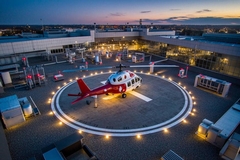
A unique attribute of hospital roofs is their ability to integrate seamlessly with the extensive network of utilities running throughout the building. Unlike standard roofs, hospital roofing systems are designed to accommodate the installation of complex HVAC equipment, emergency generators, and even helipads. The roof must be structurally sound to withstand the weight and vibrations from these installations without compromising the building's integrity.
Moreover, hospitals often operate around the clock and need a roofing system that can be repaired or maintained without disrupting essential services. Accessibility to key mechanical systems directly through the roof often facilitates efficient repairs and minimizes downtime, thus making roof inspection & repair a seamless task.
Fire Resistance and Safety
Fire safety is paramount in hospital design, and the roofing system is no exception. To comply with stringent safety codes, hospital roofs are built using materials that are highly resistant to fire. This includes specific layers within the roof that inhibit the potential for external fire hazards to permeate indoor spaces. These materials not only protect the building and its occupants but also safeguard the critical operations within.
Hospitals in Cleveland, OH, must adhere to local fire safety regulations, which dictate comprehensive safety measures. This might include the use of flame-retardant materials that prevent the spread of fires and installation techniques that create a barrier against external ignition sources.
Energy Efficiency and Sustainable Design
Another vital component in hospital roof designs is energy efficiency. Sustainable design is more than just a trend, especially in buildings as resource-intensive as hospitals. These roofs are often equipped with reflective surface materials that minimize heat absorption, which reduces the cooling load inside the hospital. This feature is particularly advantageous during Cleveland's sunnier months.
Sustainability features, such as utilizing solar panels, also come into play. Hospital rooftops offer expansive spaces that can harness solar energy, providing renewable power to reduce overall electricity consumption. While the initial investment might seem high, the long-term benefits, including reduced utility bills and a lower carbon footprint, make it a worthwhile consideration.
The Role of Roofing Maintenance
Regular maintenance is vital to ensure that hospital roofing systems continue to function at their best. Hospitals must often undertake roof inspection & repair in Cleveland to address the wear and tear brought on by weather changes and daily operations. Proactive maintenance not only extends the life of the roof but also mitigates potential risks associated with unexpected damage.
Hospital administrators should schedule routine inspections to identify and rectify small problems before they escalate into significant issues. This routine is an integral part of ensuring that all the designed features of hospital roofs continue to provide safe and effective service.
Acoustic Control
To maintain a calm and healing environment, noise control is essential in hospital settings. Special attention is given to the acoustic qualities of hospital roofs to minimize sound transmission from external disturbances such as traffic or adverse weather conditions. Advanced roofing technologies incorporate soundproof layers and insulation that contribute to quieter indoor environments, thus promoting a more restful recovery for patients.
Such acoustic considerations are tailored specifically to the bustling urban surroundings found in places like Cleveland, where external noise pollution can easily infiltrate an inadequately insulated roofing structure.
Waterproofing and Weather Resistance
Ensuring that roofs are waterproof is essential in hospital settings. Any leakage can lead to mold growth, foul odors, and even structural damage. Materials with high water resistance are chosen meticulously, and the slope of the roof is carefully designed to enable effective water runoff, preventing pooling that can cause deterioration.
Weather resistance extends to wind load considerations, where elements are installed to keep the roofs intact during Cleveland's severe winter storms. High-wind resistant components are part of a hospital's strategic defense in protecting the structural stability of the roof and preventing damage to sensitive installations.
Engaging With Powers Roofing & Exteriors
Powers Roofing & Exteriors specializes in crafting solutions that encompass these critical needs. With expert knowledge in roof installation in Chagrin Falls, Powers Roofing & Exteriors helps build more than just a roof; they build partnerships in security and reliability. Their seasoned expertise ensures hospital roofing systems are tailored to both practical requirements and aspirational sustainability goals.
From safeguarding against adverse weather conditions to integrating energy-efficient installations, understanding the essential features of hospital roofs is crucial for the continued success of healthcare institutions. If you're involved in hospital maintenance or construction, aligning with a competent partner like Powers Roofing & Exteriors can make a significant impact.
Ready to elevate your hospital's roofing standards? Powers Roofing & Exteriors can provide the necessary expertise to ensure that your hospital roof not only meets but exceeds safety and operational standards. Whether you seek consultation for roof improvements or installations, their team is prepared to assist. Contact them today for roofing solutions that are as reliable as they are innovative.